

Imagine this: you’re walking down a bustling city street, and the mouthwatering aroma of grilled street corn and spicy tacos wafts through the air. This savory scent isn’t just a random incident: it’s a sign of thriving food trucks, a culinary revolution that has taken urban areas by storm. But what sets these mobile eateries apart from the traditional sit-down restaurants? The secret lies in understanding consumer trends that drive their success. In this text, we’ll explore the critical trends that not only boost food truck popularity but also keep customers coming back for more, so grab your napkin, and let’s jump into the delicious world of food trucks.
The Rise Of Food Trucks In Urban Areas
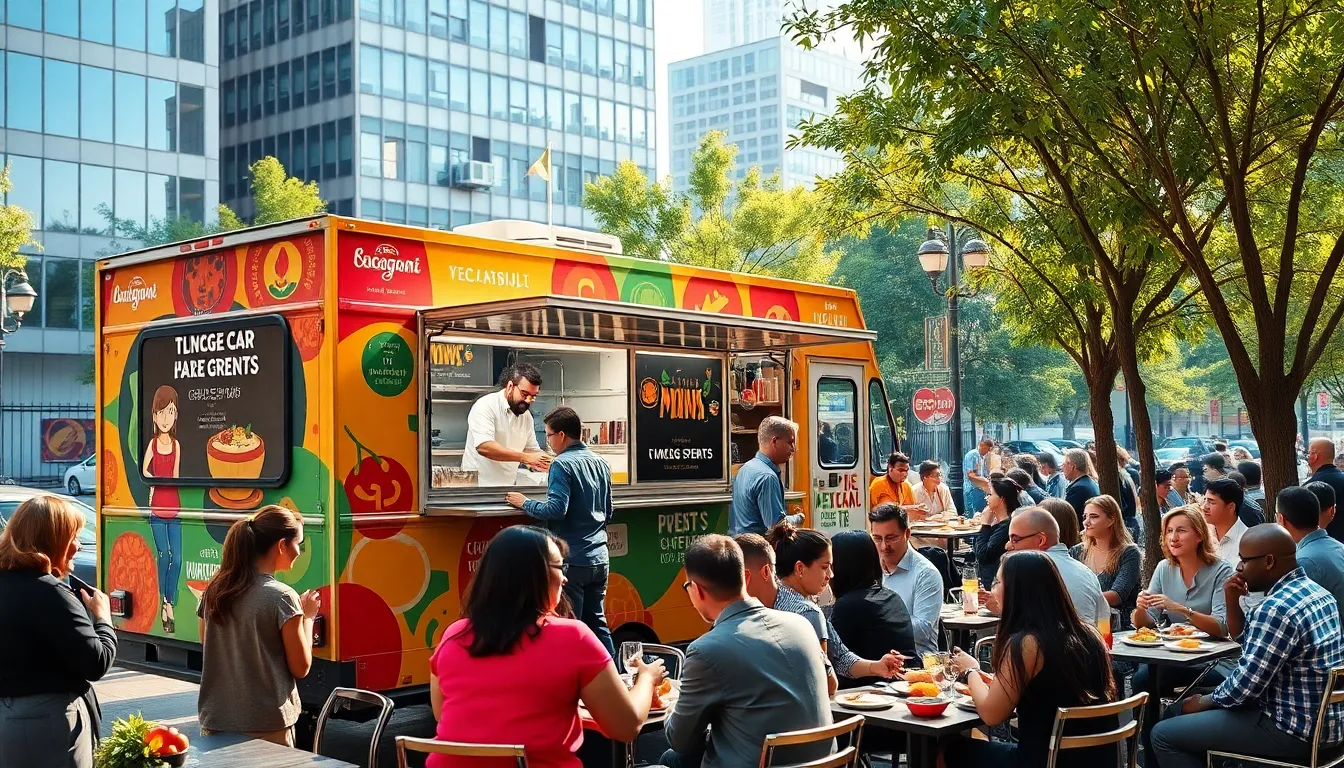
Food trucks have emerged as a vibrant addition to urban landscapes, bringing culinary variety and convenience to the forefront of dining experiences. In cities where time is of the essence, food trucks serve as quick and tasty options for busy professionals and hip locals alike. The rise can be attributed to several factors, including the desire for convenience, lower overhead costs compared to traditional restaurants, and a growing appreciation for street food culture.
Urban dwellers appreciate the flexibility that food trucks offer. They pop up in various locations, adapting to foot traffic and special events. As cities grow and evolve, food trucks meet the demand for diversity in culinary offerings, creating a unique food scene that reflects local flavors and global influences. They often showcase regional specialties or experimental dishes, captivating the taste buds of adventurous eaters.
Also, the pandemic has shifted the dining landscape, with more consumers seeking outdoor dining options. This has only further solidified the appeal of food trucks, allowing them to cater to those uncomfortable with indoor dining but eager to enjoy good food outdoors.
Consumer Preferences For Unique Culinary Experiences
Today’s consumers are on a quest for unique culinary experiences, constantly seeking out the next big food trend. Food trucks excel in providing that novelty, often pivoting their menus to offer seasonal dishes or fusion cuisine that diners can’t resist. They serve as creative outlets for chefs who want to experiment and innovate, attracting a loyal following of food enthusiasts eager for the latest flavors.
The Impact Of Health Consciousness On Food Choices
Health consciousness is increasingly shaping consumer tastes. As more individuals become aware of nutrition and dietary restrictions, food trucks are adapting their menus to cater to these needs. Vegan, gluten-free, and organic options are no longer just trends: they’re necessities. By responding to health-conscious consumer preferences, food trucks are not only gaining popularity but also enhancing their market reach.
Sustainable sourcing and health-focused ingredients can elevate a food truck’s brand image. Consumers are more likely to support vendors who show commitment to health and wellness. This opens up the opportunity for food trucks to educate their customers about nutrition, creating a win-win for both parties.
Sustainability And Ethical Sourcing
Consumers today are more environmentally conscious than ever, leading the charge for sustainability in the food industry. Food trucks that prioritize sustainability through ethical sourcing of ingredients tap into this growing market. Consumers appreciate knowing where their food comes from, and those who provide transparency are more likely to capture consumer loyalty.
Social Media Influence On Food Trends
Social media plays a significant role in shaping food trends, making it essential for food trucks to maintain an active online presence. Platforms like Instagram and TikTok showcase visually appealing dishes, prompting potential customers to seek them out. Viral food items can create a buzz that translates into increased foot traffic, making social media an invaluable marketing tool.
Also, innovative food presentations and creative culinary styles can enhance a food truck’s visibility online, giving them an edge in a competitive market. The shot of that mouthwatering lobster roll can result in long lines at the truck, often dubbed the ‘Instagram Effect.’
Engaging With Customers Through Online Platforms
Engagement doesn’t merely stop at food presentation: it also extends to how food trucks perceive and interact with their customers. Direct communication via social media allows food trucks to receive real-time feedback, share customer stories, and foster a sense of community. Also, offering loyalty programs or promotions through social media channels can keep customers returning.
The Importance Of Location And Convenience
Location is critical for the success of any food truck. A prime spot near office complexes, parks, or popular nightlife areas can lead to a consistent flow of customers. Seasonal and festival opportunities also boost visibility and sales, with food trucks often participating in local events or markets.
Seasonal and Festival Opportunities
Festivals provide a golden opportunity for food trucks to showcase their offerings. They attract large crowds, making them an excellent platform to reach new customers who may not have encountered the truck otherwise. Engaging with event-goers enables food trucks to grow their social media following while providing delightful experiences that lead to customer retention. Seasonal menus, featuring unique holiday-inspired dishes, can also capitalize on these opportunities, making them even more enticing to potential customers.
Adaptability To Local Markets
Adaptability is key for any food truck’s survival. Being aware of local food preferences and trends can allow a food truck to cater specifically to its target audience. For instance, a food truck specializing in tacos may find more customers in neighborhoods favoring Mexican cuisine. Likewise, the ability to pivot menus quickly based on seasonal ingredients or local events keeps offerings fresh and exciting.
Food trucks that actively listen to the needs of their community can create a loyal customer base, ensuring that their menus resonate with local tastes. This adaptability fosters growth and positions them advantageously against competitors who may not adjust their offerings.


