

Have you ever wandered through a plant nursery and found yourself mesmerized by a stunning foliage display? Enter Aglaonema, a houseplant that packs a punch with its vibrant colors and elegant form. Not only does it elevate your home decor, but it also brings a slice of nature indoors. In this guide, we’ll jump into what makes Aglaonema the darling of indoor gardening enthusiasts, explore its many varieties, and provide you with tips that’ll keep your plant thriving. So, grab a cup of coffee, sit back, and let’s unlock the beauty of Aglaonema together.
Understanding Aglaonema: An Overview
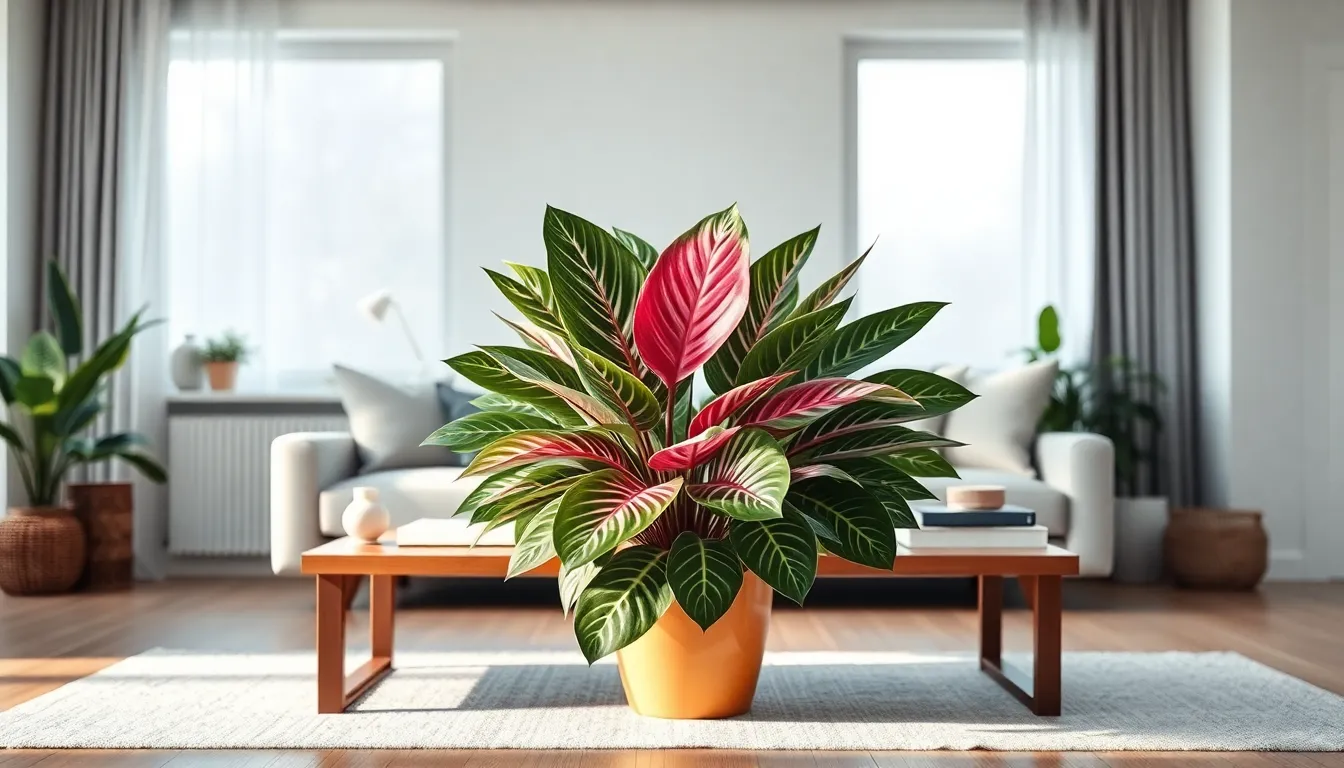
Aglaonema, commonly known as Chinese evergreen, is a captivating houseplant that belongs to the Araceae family. Native to tropical and subtropical regions of Asia, these plants have become favorites among indoor gardeners due to their adaptability and striking appearance. With their variegated leaves ranging from deep greens to striking bursts of pink and white, Aglaonema brings life to any corner of your home.
One of the remarkable features of Aglaonema is its ability to thrive in low-light conditions. Unlike many houseplants that demand constant sunshine, Aglaonema can happily reside in dimly lit spaces, making it perfect for homes and offices alike. Not only does it jazz up your environment, but it also filters the air, contributing to a healthier indoor atmosphere. Isn’t it impressive how such beauty also promotes well-being?
The Allure of Aglaonema Varieties
Aglaonema is far from a one-size-fits-all plant. In fact, it boasts an impressive variety that suits various tastes and styles. For example, the Aglaonema Siam Aurora is known for its eye-catching red and green foliage, while the Aglaonema Silver Bay offers a more muted palette, displaying a beautiful silver-green color scheme. Each variety has its unique charm.
Those with a penchant for patterns might fall head over heels for the Aglaonema Pictum Tricolor, displaying an array of marbled greens with hints of white. On the flipside, if someone is drawn to more classic looks, the Aglaonema Cutlass with its long, lance-shaped leaves will capture her heart. With such variety, it’s easy to see why Aglaonema is a staple in many homes.
Care Tips for Thriving Aglaonema
Caring for Aglaonema can be as easy as pie, provided one knows a few essentials. First and foremost, light. While Aglaonema can thrive in low light, it does prefer bright indirect light for optimal growth. Too much direct sunlight can scorch those lovely leaves, so keeping them near a window with filtered light is key.
Next, watering. Aglaonemas prefer their soil to dry out between waterings. Over-watering can lead to root rot, so it’s better to under-water than overdo it. A handy rule of thumb is to check the top inch of soil – if it’s dry, give it a drink. Fertilizing during the growing season, spring and summer, can also work wonders. Using a balanced, water-soluble fertilizer every four to six weeks will encourage lush growth.
Temperature and humidity matter too. Aglaonema loves warm environments, ideally between 65°F and 80°F. Low humidity might cause the leaves to brown, so a humidifier could become her best friend.
Aglaonema in Interior Design
In the realm of interior design, Aglaonema is like that secret ingredient that makes everything better. It effortlessly adds a touch of elegance and liveliness to any space. Picture a cozy reading nook adorned with a lush Aglaonema, or a modern office space that feels inviting with a pop of greenery.
The versatility of Aglaonema allows it to complement various decor styles, from minimalist to bohemian. Whether it’s placed in a sleek pot on a coffee table or cascading from a bookshelf, Aglaonema can transform a dull corner into a vibrant focal point.
Common Pests and Problems
Even the most charming plant can face challenges. Aglaonema isn’t immune to pests like spider mites, aphids, and mealybugs. Regularly inspecting the undersides of the leaves can help catch infestations early. If pests are found, a simple solution is to spray the leaves with insecticidal soap or neem oil, bringing the pest parade to an end.
Another common issue is yellowing leaves, often a sign of over-watering or poor drainage. If this persists, it’s wise to assess the care routine. For those who notice brown leaf tips, it might be a cue to increase humidity or adjust watering habits.
Propagation and Longevity of Aglaonema
Propagating Aglaonema can be quite rewarding. One common method is through stem cuttings. Simply cut a healthy stem, let it dry for a few hours, and then place it in water or soil. Roots will sprout in a few weeks, granting you new plants to nurture and enjoy. Alternatively, division can also be a great technique when repotting.
About longevity, Aglaonema can easily live for several years with proper care. Some individuals have even reported their Aglaonema thriving for over a decade. With a little love, these plants can be enduring companions in one’s living space.


